


🖊️ Post


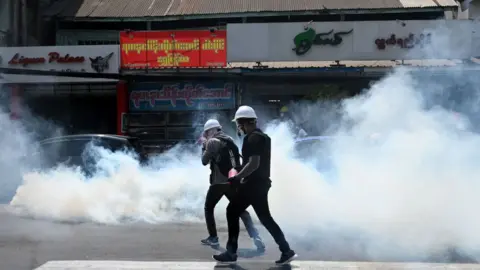
🇲🇲 Myanmar: When Protest Meets Total Crackdown


4
Myanmar represents one of the clearest examples in this entire series of what happens when:
👉 A protest movement faces a state willing to use overwhelming force
Unlike Bangladesh (success) or Sudan (collapse), Myanmar followed a different path:
👉 Protest → Resistance → Violent Suppression → Ongoing Conflict
It is one of the strongest examples of:
👉 The “crackdown model” of government survival
⚡ The Trigger: Military Coup (2021)
The crisis began in February 2021.
🔥 What happened:
• The military (Tatmadaw) seized power
• Elected leaders were arrested
• Election results were rejected
👉 This instantly triggered:
Nationwide outrage
🔥 Mass Protests Erupt


4
Within days:
• Millions took to the streets
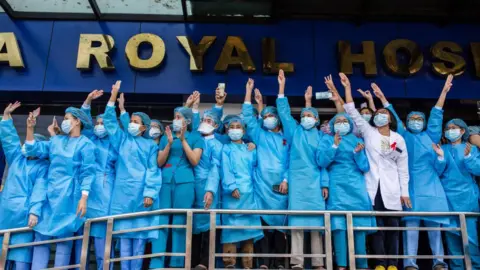
• Civil servants joined a Civil Disobedience Movement (CDM)
• Protests spread nationwide
🔑 Key Features:
• Youth-led participation
• Nationwide coordination
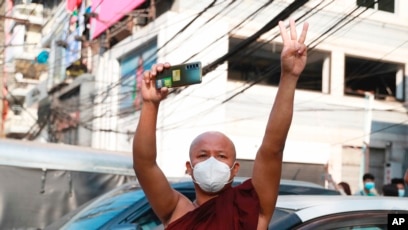
• Strong symbolic resistance (e.g., three-finger salute)
👉 This was one of the largest protest movements in Southeast Asia.
⚔️ The Crackdown

4
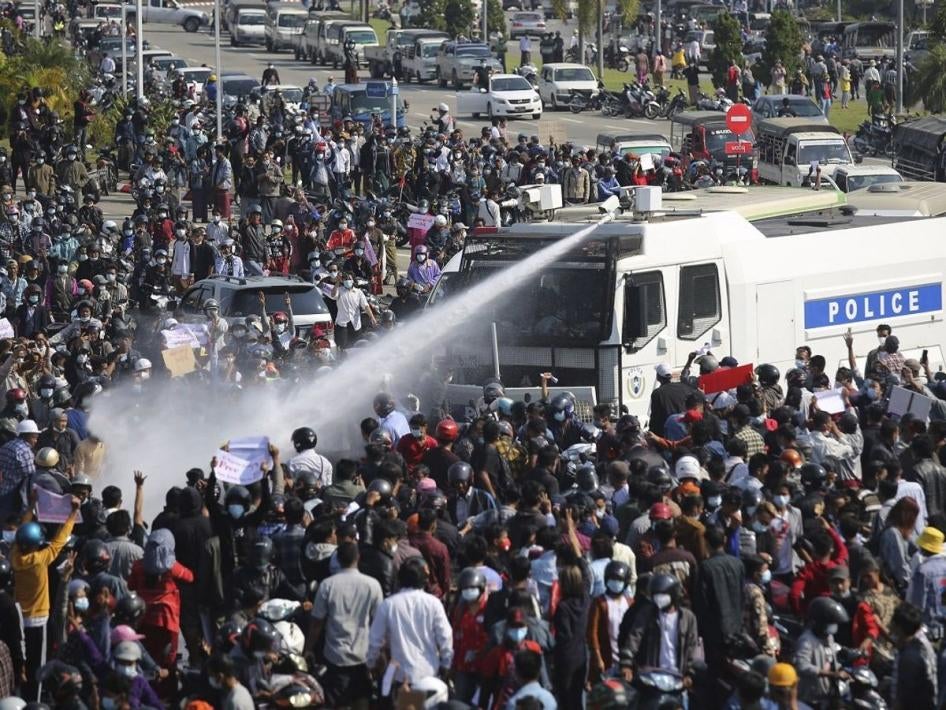
The military responded with extreme force.
💥 Actions included:
• Live ammunition used against protesters
• Mass arrests
• Night raids
💔 Consequences:
• Thousands killed
• Thousands imprisoned
• Widespread fear
👉 Unlike many other countries:
The state did not hesitate to escalate fully
📱 Digital Control


4
The government also moved quickly to control information.
🔑 Measures:
• Internet shutdowns
• Social media bans
• Surveillance
👉 This limited:
• Protest coordination
• Global visibility
💥 From Protest to Resistance

4
As peaceful protests were crushed:
👉 The movement transformed
🔥 New Phase:
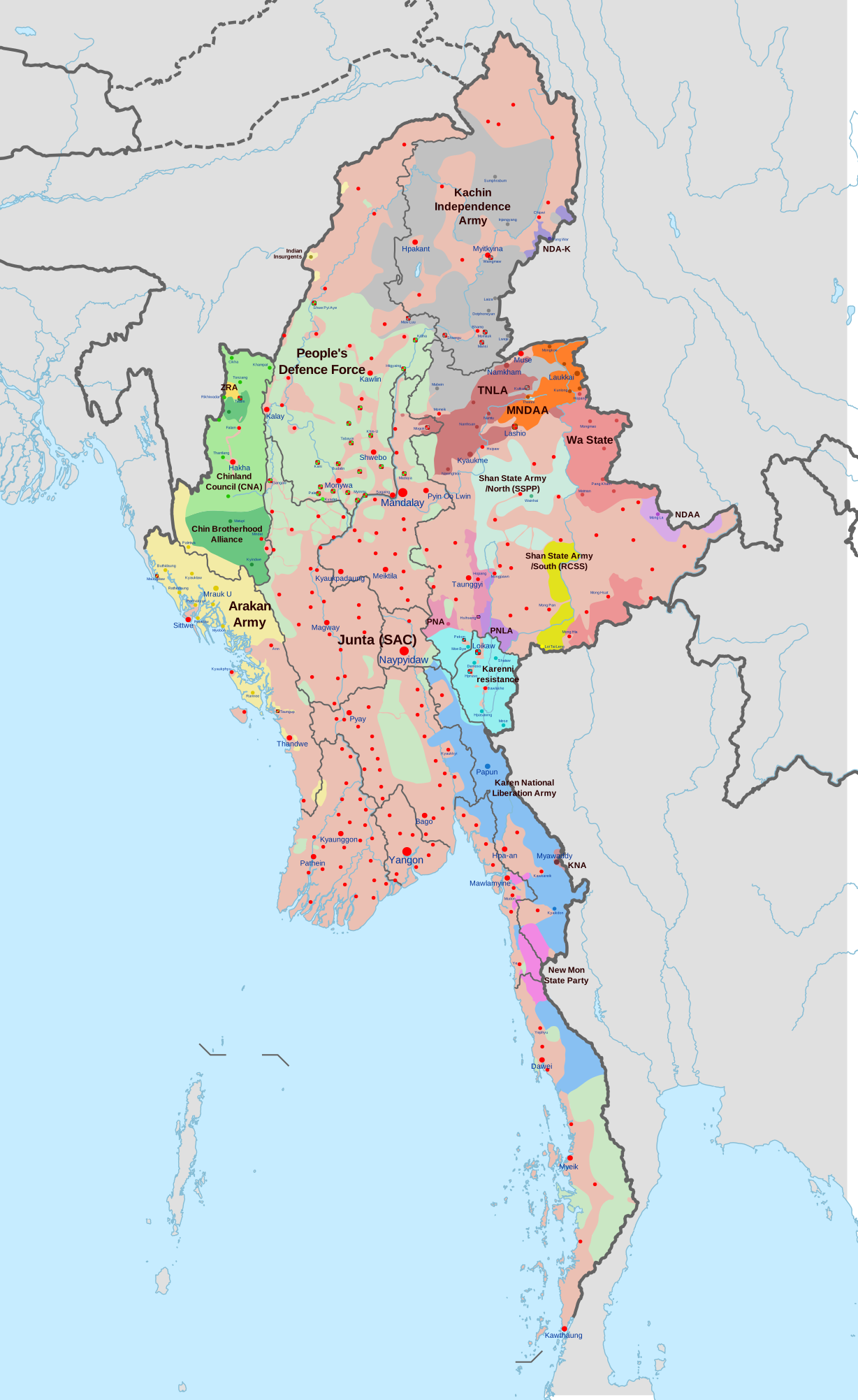
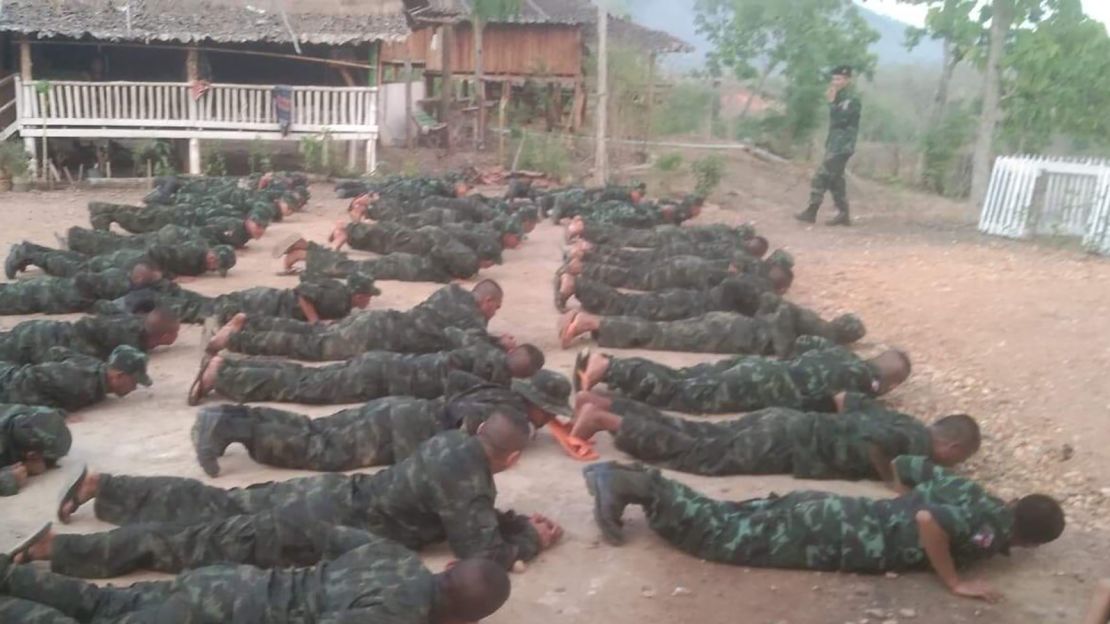
• Armed resistance groups formed
• Civil conflict expanded
• Ethnic militias became involved
👉 Result:
A hybrid conflict between protest movement and military rule
⚖️ Why the Government Survived
Myanmar shows how governments can survive even massive uprisings.
🔑 Key Factors:
1. Military Loyalty
The army remained fully unified
2. Willingness to Use Force
No hesitation to escalate
3. Control of Institutions
Military controlled key systems
4. Information Suppression
Limited coordination and visibility
👉 Result:
Protest failed to overthrow the regime
🌍 Myanmar in the Global Pattern
Myanmar represents:
🔴 The Crackdown Model
Also seen in:
• 🇮🇷 Iran
• 🇧🇾 Belarus
👉 Pattern:
-
Trigger (coup)
-
Mass protest
-
Violent suppression
-
Resistance
-
Ongoing conflict
🔮 What Happens Next?
Myanmar remains unstable.
Possible outcomes:
• Prolonged internal conflict
• Continued resistance
• Slow political change (long-term)
👉 Risk level:
Very high, long-term instability
🧠 Final Reflection
Myanmar reveals one of the harshest truths in your entire series:
👉 Not all protest movements can succeed—especially against regimes willing to use unlimited force
It shows:
• The limits of peaceful protest
• The power of military control
• The role of fear and repression
🔚 Key Insight
Myanmar is the clearest example that in the modern era—
control of force can still outweigh mass protest.
Similar Tags
Search
Subscribe
Donate



Your Statistics
For the care and safety of this prayer space, we gently record the time and location of each visit. This helps us protect sincerity while preserving anonymity.
Your Date and Time
IP Addres:
216.73.216.29
System
- OS Linux n
- PHP 8.3.30
- MySQLi 10.6.25-MariaDB-log
- Time 12:13
- Caching Disabled
- Gzip Disabled
- Users 3
- Articles 315
- Articles View Hits 5901
Website Visitors Map
About Greg Loucks
Greg Loucks is a writer, poet, filmmaker, musician, and graphic designer, as well as a creative visionary and faith-driven storyteller working at the intersection of language, meaning, and human connection. Born and raised in Phoenix, Arizona, he has lived in Cincinnati, Ohio; Hot Springs, Arkansas; Williams, Arizona; and Flagstaff, Arizona—each place shaping his perspective, resilience, and creative voice.

Address:
United States of America and Europe
Phone Numbers:
Arizona: (928) 563-GREG (4734)
Tennessee: (615) 899-GREG (4734)
Toll-Free: 888-457-GREG (4734)

Terms & Conditions
Subscribe
Report
My comments